Field Notes: A Tiger Moth biplane & the animation of Prince of Persia

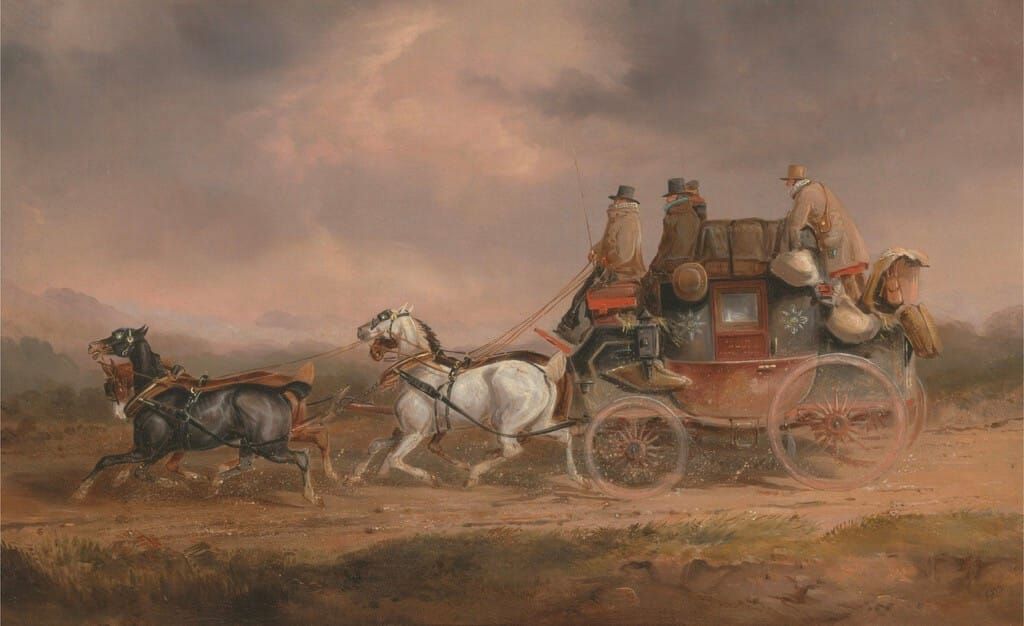
This week I moved across country to a new city (Brisbane to Melbourne), and spent most of the week driving 1800 kilometres. The drive was long stretches of nothing (standard Australian stuff) while listening to podcasts, punctuated by overnighting in places I’d never been. Parkes and Shepparton were the stand out two. Parkes has a radio telescope and an amusing hard-on for Elvis. Shepparton had better coffee than most of Brisbane, which was crazy considering it’s a mid sized country town in Victoria.

But enough of my vehicular adventures, here’s the week’s curated collection of cool stuff.
Kicking things off, Dave Rupert has put together a short list of places to find curated public domain images. I already knew about the PDR and Artvee (the source for the header images for most of my posts). The Heritage Type collection was new to me though. I can see a use for their illustrations in my design projects.
In writing my upcoming essay on a personal design process, I was reminded of the story of the hemloft. Neil Walker built a treehouse on Crown land in Whistler, Canada. His story is inspiring, in that he started out in software engineering, and changed careers successfully to become a carpenter. The Hemloft treehouse itself is super cool - who among us hasn’t dreamed of an egg shaped house in a forest somewhere that we could camp in?
On my cross country trek, I listened to several podcast interviews with Jordan Mechner, of Prince of Persia fame. PoP was a small part of my childhood, but the fact that I had even found out about it in the backwaters of Australia (and with a hand-me-down pc) is still amazing to me. Animation Obsessive has a terrific write up on the animations that made the original Prince of Persia so lifelike and different from its peers.
Mechner also kept a journal during development of the game, and it’s been published. I read it several years ago, and it reinforces the fact that design and creativity is an iterative process. I saw recently that Stripe Press has issued a new edition with more details, and I’m keen to get my mitts on it and reread it.
The final Cool Thing is a licensing model, not a tangible item - Ellipsus, a collaborative writing platform, has a “subscribe to own” pricing model. I like that they’re offering multiple options, from the buy outright, to a subscription plan that essentially amounts to a 2 year payment plan. It feels like a digital service like this would need constant cashflow to resource each writer using the platform. But this highlights that it’s not necessary - a service can make a fixed price offering based on their customer lifetime value metric. In doing so, they can both stay profitable, and avoid having to convince people to pay for yet another endless subscription. It’s refreshing to see a model where customers are not seen as a sponge to soak for endless cash flow.
That’s all for this week folks, stay safe.
Justin
This work is licensed under CC BY-SA 4.0
No spam, no sharing to third party. Only you and me.