Field notes: The trickster fox
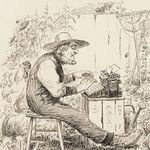
It's been another long and pleasant week (at least as far as the weather is concerned). I have been using my typewriter a bit more than usual as I write letters to friends and family (and also brain dumping a story idea I couldn't get out of my head). It's a lot of fun, I recommend it if such an extravagance is within your reach.
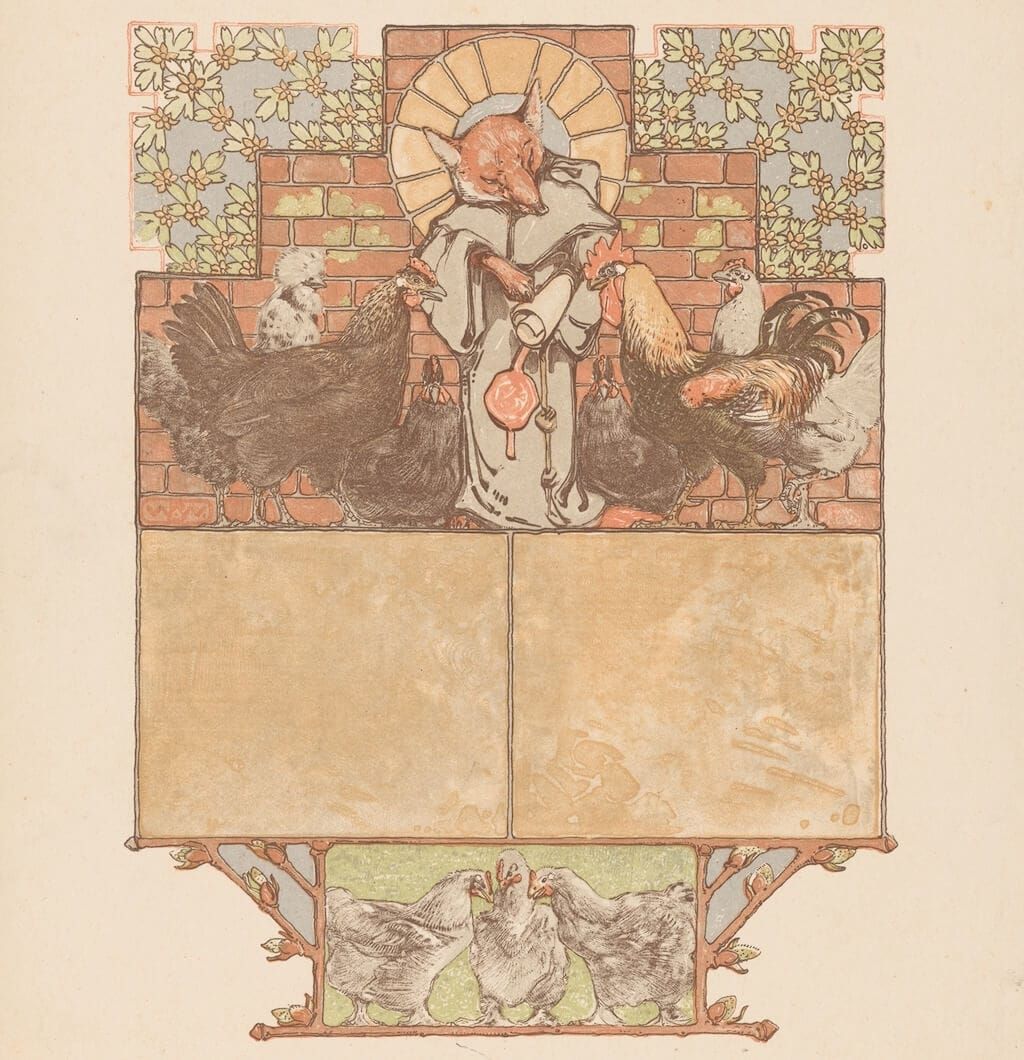
To kick us off for the "what's he unearthed this week" portion of this letter, let me introduce some European fables - Reynard the fox. The stories build on the fox's reputation for mischief as Reynard outwits Isengrim the wolf, and other forest creatures. The original source materials for the fables were written as satire, with the poem Ysengrimus making a mockery of the monastic world of it's author.
There's something fascinating about the mythology, fables, and stories from history. Not only do they make for a good time as entertainment on their own, but they can be remixed to produce new works (and thus contribute to the continuation of the stories).
I'm continuing my sewing education this week as well (stay tuned for photos and a write up in the coming weeks). From the pencil case I made last time, I've decided to try my hand at sewing some notebook covers for my A5 notebooks. On that note, the Level Collective's Rambler cover is something we don't see often - a product made from the offcuts of another product made by the same company.
If you're not scaled to churn out millions of pieces, it becomes possible to build a more circular lifecycle for the entire product line. Circularity, as I mentioned in a previous letter, is a competitive advantage - if it's planned for early on.
Another good demonstration of this is the engineered wood manufacturer ChopValue. They take used chopsticks, and turn them into engineered wood to build furniture, wall panelling, and more. The magic sauce is the use of a franchising model to create a network of microfactories instead of one or two massive locations. They're light on details, but I'm pretty sure the process they use is leveraging the natural lignin in the wood to bond the finished product together - unlike plywood, it's not soaked in synthetic adhesives. Real "we glued the wood with more wood" type stuff.
Story Inspiration of the week
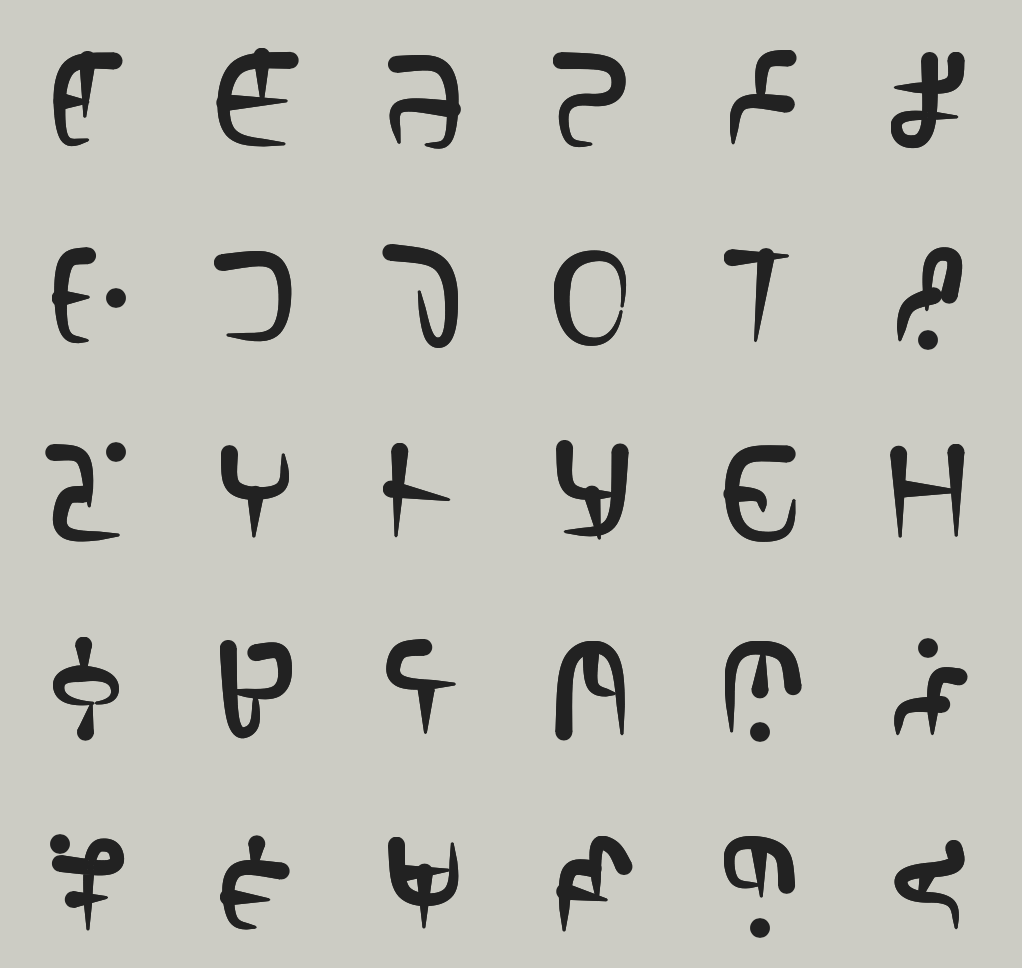
Just yesterday I was walking to work and I noticed an odd symbol painted on a doorstep. I'm sure it was just graffiti (Melbourne is known for street art). However, it does inspire images of a secret cult making mysterious moves in the city. Having watched Extra History's episode on London's Thief-taker general, Jonathon Wild, the following seed of a story sprung to mind:
In a city powered by steam, the iron rule of a tyrannical Lord Mayor is threatened when strange yellow painted runes begin appearing across the city. When a young pick-pocket is caught up in the conspiracy in a case of mistaken identity, they must use all their cleverness and cunning to escape Oldgate Prison. If they can avoid the Thief Taker General long enough to find the group behind the symbols, they may yet extricate themselves from this sticky situation...
I’m glad you’re here,
Justin
This work is licensed under CC BY-SA 4.0
No spam, no sharing to third party. Only you and me.